

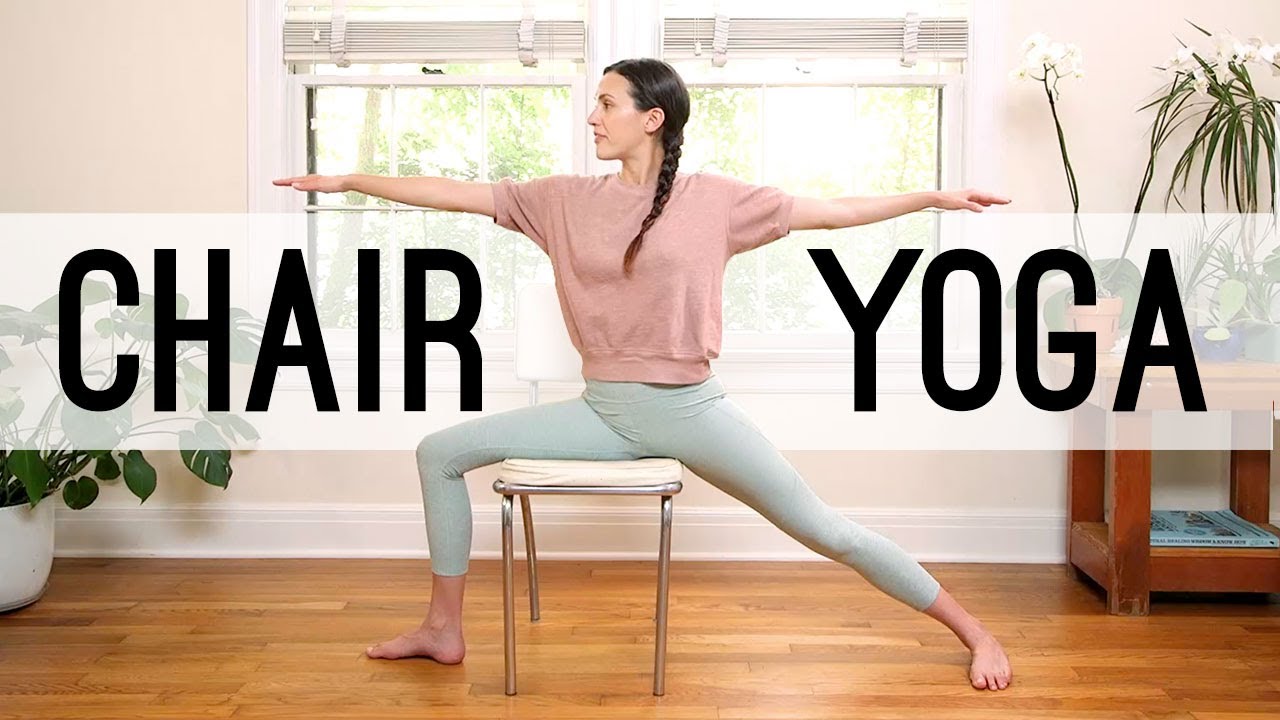
Mindfulness and yoga have long been celebrated for their ability to reduce stress, improve flexibility, and foster a deeper connection between mind and body. However, conventional yoga practices often present significant barriers to entry. For individuals who cannot easily get down onto a traditional yoga mat or stand for extended periods, standard classes can feel exclusive rather than inviting. The requirement to execute complex balancing acts or deep floor stretches can alienate those dealing with age-related physical limitations or the physical constraints of a demanding corporate job.
Understanding the Foundation of Chair Yoga
At its core, chair yoga is not a lesser version of traditional yoga; it is a thoughtful re-engineering of the practice. Every foundational element of a standard yoga class, including somatic awareness, breath control, intentional movement, and meditation, remains completely intact. The chair simply replaces the floor mat as the primary stabilizing base.
By utilizing a sturdy chair, practitioners can explore deep twists, side bends, and hip openers without the fear of losing their balance or falling. The seated position stabilizes the pelvis, allowing for a safer and more isolated engagement of the upper body, thoracic spine, and core muscles. For standing postures, the back of the chair can be used as a prop to offer reassuring physical feedback. This modification reduces the weight-bearing load on compromised joints while allowing individuals to experience the lengthening and strengthening benefits of traditional poses.
Restoring Dignity and Independence for Seniors
As the body ages, changes in bone density, muscle mass, and neurological function can gradually erode balance and coordination. For many older adults, the fear of falling is a major source of anxiety that frequently leads to a more sedentary lifestyle. This reduction in daily movement creates a cycle where joints stiffen, muscles weaken further, and the risk of injury increases.
Chair yoga interrupts this cycle by providing a secure, low-impact environment for physical activity. Because there is no need to transition from standing to lying on the floor, the anxiety of losing balance is eliminated. Seniors can focus entirely on expanding their range of motion, lubricating stiff joints, and rebuilding muscular endurance.
-
Joint Health: Gentle joint rotations performed in a chair help stimulate the production of synovial fluid, which acts as a natural lubricant to reduce the pain associated with osteoarthritis.
-
Fall Prevention: Seated exercises that target the ankles, calves, and core improve the stabilizer muscles required for steady walking, which directly reduces the likelihood of falls in daily life.
-
Neurological Adaptations: Moving dynamically while tracking body parts helps maintain healthy pathways between the brain and the musculoskeletal system, keeping reflexes sharp.
Beyond the clear physical advantages, chair yoga provides seniors with a vital sense of agency. Reclaiming the ability to perform movements that once felt out of reach builds confidence, proving that aging does not mean a mandatory surrender of physical vitality.
Counteracting the Office Workspace Strain
While seniors use chair yoga to navigate the biological effects of aging, office workers use it to combat the structural hazards of modern corporate life. Human bodies are built for movement, yet the average corporate professional spends eight to ten hours a day sitting fixedly in front of a computer screen. This prolonged immobility causes specific muscular adaptations: the hip flexors tighten, the glutes become inactive, the chest muscles contract, and the upper back rounds forward in a posture often called desk hunch.
This physical misalignment goes hand in hand with chronic mental fatigue. Juggling high-stress projects, constant emails, and back-to-back meetings keeps the nervous system trapped in a state of low-grade anxiety.
Chair yoga provides an efficient antidote to this office environment. Because it requires no specialized wardrobe changes and can be practiced directly at a standard workstation, it eliminates the common excuse of not having enough time for wellness. Spending just ten minutes engaging in desk-based chair yoga can reverse hours of poor postural compression. A brief sequence of seated cat-cow stretches, wrist releases, and gentle neck rolls can immediately decompress the spine, open up tight chest muscles, and restore healthy blood circulation to legs that have been stationary for hours.
Bridging the Gap Between Movement and Mindfulness
It is common to view mindfulness as a passive mental exercise, like sitting in silent meditation. However, for many individuals, an overactive mind can make sitting still in silence feel incredibly frustrating. Chair yoga serves as a form of somatic mindfulness, using physical sensations as an anchor to pull the mind into the present moment.
Every movement in a chair yoga sequence is consciously synchronized with the breath. Practitioners are encouraged to notice the exact point where a stretch changes from comfortable to challenging, observe how a deep inhalation expands the ribs, and feel the solid connection of their feet pressing into the floor. This focused tracking of internal bodily sensations blocks out distracting thoughts about past regrets or future worries. For a senior managing chronic pain or an office worker dealing with a chaotic workday, this somatic focus provides a true mental sanctuary, proving that mindfulness is fully achievable without requiring hours of silent stillness.
Regulating the Nervous System Through Seated Breath
The bridge that connects the physical movements of chair yoga to its profound mental benefits is conscious respiration. When individuals experience stress, whether from physical discomfort or a demanding workload, their breathing naturally becomes shallow and rapid. This chest-breathing pattern tells the brain that it is under threat, triggering a release of stress hormones like cortisol and adrenaline.
Chair yoga places a major emphasis on deep, controlled diaphragmatic breathing. By intentionally slowing down the breath and expanding the lower abdomen with each inhalation, practitioners engage the vagus nerve. This nerve activation serves as an internal braking system for the body, shifting the autonomic nervous system away from stress and into a state of deep calm. The heart rate slows down, blood pressure drops, and muscles lose their baseline tension. This shift allows an office worker to return to their tasks with a clear, focused mind, and helps a senior find a sense of peace and emotional stability.
Fostering Community and Social Connection
The benefits of chair yoga extend far beyond individual physical and mental improvements; the practice also satisfies a deep human need for social connection. For seniors, retirement and changing life circumstances can often bring periods of social isolation, which can negatively impact long-term cognitive health. Participating in a group chair yoga class at a local senior center creates a welcoming space for shared laughter, mutual encouragement, and meaningful friendships.
In the corporate world, chair yoga can transform workplace culture. Organizing group wellness sessions gives employees a chance to connect outside of stressful work projects. It fosters a shared commitment to health and breaks down traditional workplace hierarchies, as everyone from interns to executives moves through the same gentle stretches side by side. By building these supportive communities, chair yoga enhances emotional well-being and enriches the lives of participants long after they step away from their chairs.
Frequently Asked Questions
What type of chair is best suited for practicing chair yoga?
The ideal chair for this practice is a stable, four-legged option without wheels, such as a standard dining room chair or a sturdy four-legged office chair. The seat should be flat, and the chair should not have armrests, as these can restrict side-to-side arm movements and twists. It is important to avoid folding chairs that feel flimsy or deep, plush armchairs that cause the hips to sink downward, as these surfaces compromise spinal alignment.
Can individuals with severe mobility limitations or wheelchair users practice chair yoga?
Yes, chair yoga is highly adaptable and can be easily modified for individuals with significant mobility limitations or those who use a wheelchair permanently. For individuals who cannot move their lower limbs, the practice can focus entirely on upper-body movements, neck stretches, facial relaxation, and diaphragmatic breathing exercises. The core benefits of breath awareness and mindful presence remain fully accessible regardless of an individual’s physical range of motion.
How can office workers practice chair yoga if they work in an open-cubicle environment?
Practicing chair yoga in an open office setting can be done subtly without drawing unwanted attention. Many highly effective movements, such as seated ankle rotations, wrist stretches, seated spinal twists, and deep belly breathing, require minimal space and can be performed quietly at a desk. Taking a few intentional deep breaths while stretching the hands behind the back can easily fit into a brief two-minute break between work tasks.
Does chair yoga offer genuine cardiovascular benefits?
Chair yoga is primarily designed to improve flexibility, joint mobility, core stability, and mental focus rather than high-intensity cardiovascular conditioning. However, for individuals who have been highly sedentary or are recovering from medical procedures, the continuous movement involved in a brisk chair yoga flow can gently raise the heart rate and improve overall circulation. It serves as an excellent starting point for building baseline physical endurance safely.
Is it necessary to take formal classes, or can chair yoga be learned at home?
While attending a formal class with a certified instructor is helpful for learning proper alignment and receiving personalized adjustments, chair yoga can absolutely be learned independently at home. There are numerous high-quality instructional videos and illustrated guides available that cater specifically to beginners. The most important factor when practicing alone is to move slowly and stop immediately if any movement causes sharp pain.
How long should a typical chair yoga session last to be effective?
A chair yoga session does not need to be long to provide noticeable physical and mental benefits. For busy office workers, a brief five to ten-minute session spread throughout the day can successfully prevent muscle stiffness and relieve mental fatigue. For seniors looking to build mobility and strength, a more structured session lasting twenty to thirty minutes two or three times a week is an ideal routine.
Comments are closed.