

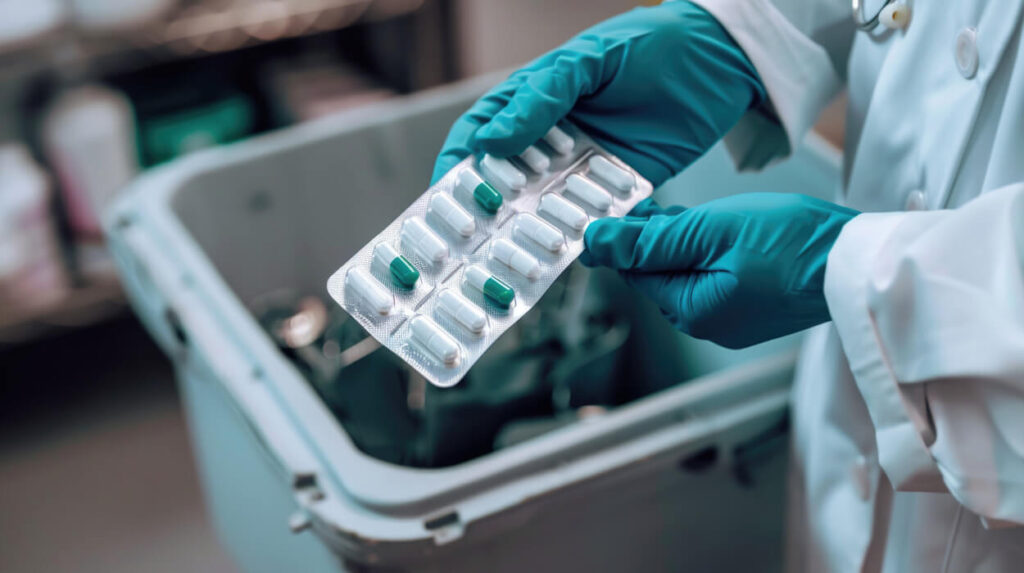
Every year, millions of Americans clean out their medicine cabinets only to face a common dilemma: what should be done with expired, unwanted, or unused medications? Leaving these drugs around the house poses significant risks, including accidental poisoning, substance misuse, and theft. Conversely, throwing them down the sink or flushing them down the toilet can introduce harmful chemicals into the public water supply and damage local ecosystems.
Safely disposing of medication is a critical responsibility that protects both your household and your community. By understanding the proper channels for drug disposal, you can minimize environmental impact and prevent dangerous medication errors.
The Risks of Improper Medication Storage and Disposal
Keeping old medications in your home is more dangerous than it might seem. For households with young children or pets, unsecured medications are a leading cause of accidental poisoning. Even over-the-counter pain relievers or cough syrups can be toxic if consumed in high doses by a toddler or a small animal.
Furthermore, the prescription opioid crisis highlights the dangers of keeping unused pain medications. Many individuals who misuse prescription opioids report obtaining them from the medicine cabinets of friends or family members. By promptly disposing of these drugs, you eliminate the temptation and opportunity for diversion.
Environmental concerns are equally pressing. When medications are thrown directly into the trash without precaution, they can leach into the soil from landfills. When flushed, many pharmaceuticals pass through wastewater treatment plants intact, entering rivers, lakes, and drinking water sources. This exposure can harm aquatic life, disrupting the reproductive cycles of fish and contributing to the rise of antibiotic-resistant bacteria.
The Gold Standard: Medication Take-Back Programs
The safest and most environmentally responsible way to dispose of almost any medication is through a dedicated medicine take-back program. These programs ensure that drugs are destroyed using professional-grade incinerators that safely break down the chemical compounds without polluting the local environment.
National Prescription Drug Take-Back Days
The United States Drug Enforcement Administration (DEA) hosts National Prescription Drug Take-Back Days twice a year, typically in April and October. On these days, temporary collection sites are set up in communities across the country, often at local police stations, fire departments, or municipal buildings. These events offer a free, anonymous way to dispose of both prescription and over-the-counter medications with no questions asked.
Permanent Collection Sites
You do not have to wait for a biannual event to clear out your medicine cabinet. Many communities have permanent, year-round authorized collection sites. These are often secure drop boxes, similar to a public mailbox, located inside:
-
Retail pharmacies (such as CVS, Walgreens, or independent local pharmacies)
-
Hospital or clinic pharmacies
-
Law enforcement facilities
To find a permanent site near you, you can utilize the online public disposal search tool provided by the DEA or call your local public health department.
What to Do When Take-Back Programs Are Unavailable
If a take-back program or drop box is not accessible in your area, you can safely dispose of most medications in your household trash by following a specific protocol designed to prevent children, pets, or scavengers from accessing the drugs.
The Household Trash Method
To dispose of pills, liquids, capsules, or creams in your regular garbage, follow these steps precisely:
-
Remove the medication from its original container. Do not crush tablets or capsules.
-
Mix the medication with an unappealing substance. Place the drugs into a sealable plastic bag or empty container, then mix them with something undesirable like used coffee grounds, cat litter, or dirt. This prevents children or animals from eating the medication and discourages anyone digging through the trash looking for drugs.
-
Seal the container. Close the plastic bag or put the lid on the container securely to prevent the mixture from leaking.
-
Place it in the trash. Put the sealed container into your household garbage bin.
-
Protect your privacy. Before throwing away the original empty medication bottles, scratch out or peel off all personal information on the prescription label to protect your identity and medical privacy.
Understanding the FDA Flush List
While flushing medications is generally discouraged due to environmental impacts, the United States Food and Drug Administration (FDA) maintains a specific list of medications that should be flushed down the toilet immediately if a take-back program is not readily available.
This exception exists because certain medications are exceptionally dangerous if taken by the wrong person. For instance, a single dose of a powerful opioid could be fatal to a toddler. The FDA determined that the immediate risk of accidental human injury or death from these specific drugs outweighs the potential environmental risk of flushing them.
Medications on the flush list typically include potent pain medicines and controlled substances, such as:
-
Fentanyl patches and tablets
-
Hydrocodone or Oxycodone
-
Morphine
-
Methadone
-
Diazepam rectal gel
Always read the patient information leaflet that comes with your prescription to check if your medication is on the flush list. If it is not on the list, do not flush it.
Specialized Disposal: Sharps and Inhalers
Not all medical waste can be treated the same way as standard pills or liquids. Inhalers and medical sharps require specific disposal methods to prevent injury and environmental hazards.
Disposing of Inhalers
Aerosol inhalers, such as those used by individuals with asthma or chronic obstructive pulmonary disease (COPD), can be dangerous if punctured or exposed to high heat. Incinerating them in a standard trash fire can cause them to explode. To dispose of inhalers safely, read the product label for specific instructions or contact your local recycling and solid waste authority to see if they accept aerosol canisters.
Disposing of Sharps and Needles
Needles, syringes, and auto-injectors (such as EpiPens) should never be thrown directly into the household trash or recycling bin. Doing so puts sanitation workers, janitors, and family members at risk of accidental needle sticks and infection.
Immediately after use, place all sharps into a dedicated sharps disposal container. These are rigid, puncture-resistant plastic containers available at pharmacies. If you do not have an official sharps container, you can use a heavy-duty plastic household container, such as an empty laundry detergent bottle, secured with a screw-on cap and reinforced with heavy tape. Label the container clearly with a warning that it contains hazardous sharps.
Once full, dispose of the container according to your local community guidelines, which may include drop-off sites at hospitals, hazardous waste collection centers, or specific mail-back programs.
Frequently Asked Questions
Can I recycle empty prescription plastic bottles?
Yes, in many communities, empty plastic pill bottles can be recycled. However, you must first remove or thoroughly deface the prescription label to protect your personal information. Check with your local recycling program to ensure they accept the specific type of plastic, which is typically marked with a number 5 or number 2 recycling symbol.
Is it safe to use medication right after its expiration date?
The expiration date represents the final date that the manufacturer guarantees the full potency and safety of the drug. While some medications may only lose potency over time, others can change their chemical composition or become prone to bacterial growth. It is best to avoid using expired medications and instead dispose of them safely.
How should I dispose of leftover pet medications?
Pet medications should be handled with the same care as human medications. You can utilize the household trash method by mixing them with coffee grounds or cat litter, or you can drop them off at an authorized pharmacy or DEA take-back site. Many veterinary clinics will also accept unused medications back for proper disposal.
Can I donate unused, unexpired medication to someone who needs it?
In general, individuals cannot legally give or sell their prescribed medications to anyone else. However, some states have established official drug donation repository programs. These programs allow certain unopened, unexpired medications to be donated through licensed pharmacies or medical facilities to low-income individuals. Check your state department of health website to see if this option is available in your area.
What should I do with a medication patch that has been used?
Used transdermal patches, such as fentanyl or nicotine patches, still contain significant amounts of active medication even after you take them off. To dispose of them safely, fold the patch in half with the sticky sides together so it cannot be easily reopened. If it is a fentanyl patch, it should be flushed down the toilet immediately after removal. For other patches, the folded patch can usually be placed in the household trash out of reach of children and pets.
Are there specific rules for disposing of liquid medications?
Liquid medications can be disposed of via a take-back program or through the household trash method. If using the trash method, pour the liquid into a sealable bag containing an absorbent material like cat litter, paper towels, or sawdust. Seal the bag tightly before placing it into your garbage can to prevent leaks. Do not pour liquid medications down the sink drain unless specifically instructed by the product labeling.
What should I do if a child or pet accidentally swallows old medication?
If a child or pet ingests medication accidentally, treat it as an emergency. For humans, immediately contact Poison Control or call 911 if the person is collapsed or not breathing. For pets, immediately call your veterinarian or an animal poison control center. Keep the medication container nearby so you can tell the medical professionals exactly what was consumed.
Comments are closed.