

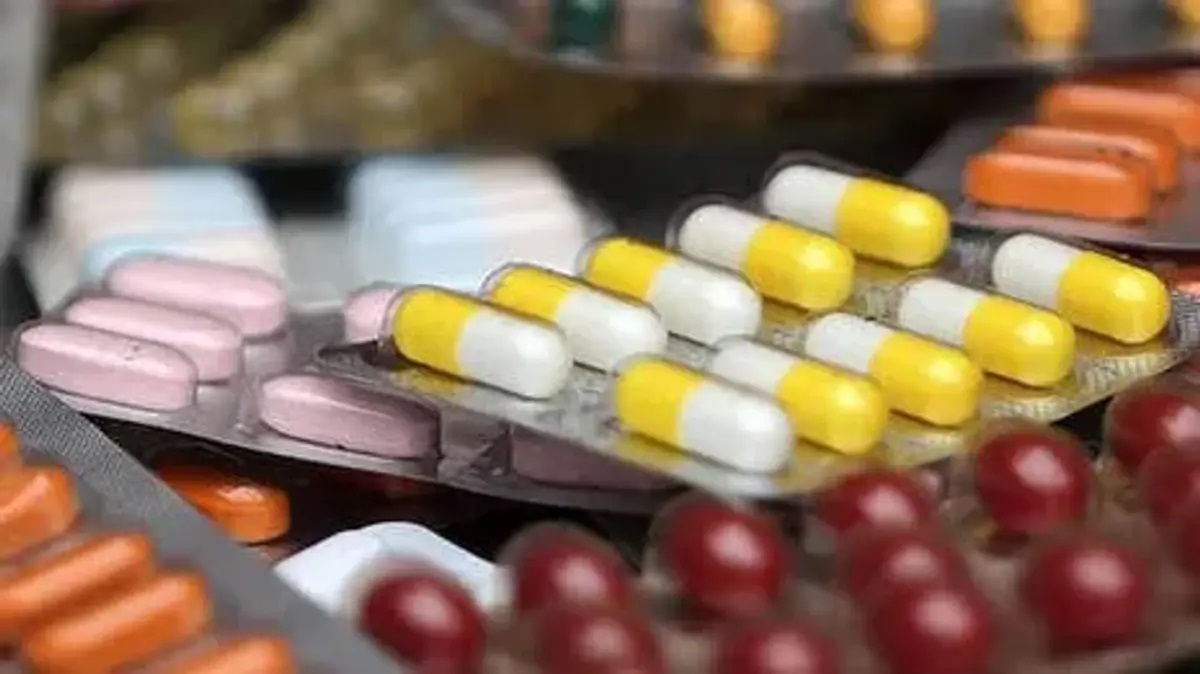
Every year, millions of Americans find themselves with medicine cabinets filled with expired, unwanted, or unused medications. Whether it is a leftover prescription from a past dental procedure, a chronic medication that was discontinued by a doctor, or over-the-counter cold remedies that have passed their expiration dates, these substances pose a hidden risk.
Improper disposal of medications is not just an environmental concern; it is a major public safety hazard. Leaving potent drugs accessible increases the risk of accidental poisoning, drug abuse, and diversion. Conversely, throwing them carelessly into the trash or flushing them down the toilet can introduce harmful chemicals into public water systems and ecosystems. Knowing how to safely navigate medication disposal is a critical component of responsible household management.
Why Proper Medication Disposal Matters
The stakes involved in how you handle excess medication are remarkably high. When medications are not disposed of correctly, they tend to linger in places where they can cause the most harm.
Preventing Accidental Poisoning and Misuse
According to public health data, thousands of accidental poisonings occur each year due to children or pets ingesting improperly stored or discarded medications. Furthermore, the prescription opioid epidemic highlights the dangers of leaving unused painkillers in the home. Teenagers and other family members frequently access leftover prescriptions from family medicine cabinets. Securing and promptly disposing of these drugs eliminates the temptation and opportunity for misuse.
Protecting the Environment and Public Water Supply
For decades, the standard advice was to flush unused medicine down the toilet. Today, environmental scientists know that public wastewater treatment plants are generally not designed to filter out complex pharmaceutical compounds. When medications are flushed or thrown into landfills without precautions, they leach into rivers, lakes, and drinking water sources. This exposure harms aquatic life, leads to behavior alterations in fish, and introduces trace amounts of antibiotics and hormones back into the human water supply.
The Gold Standard: Medication Take-Back Programs
The absolute safest and most environmentally responsible way to dispose of any medication is through an authorized take-back program. These programs ensure that the drugs are incinerated safely according to strict federal guidelines.
National Prescription Drug Take-Back Days
The United States Drug Enforcement Administration hosts National Prescription Drug Take-Back Days twice a year, typically in April and October. On these days, temporary collection sites are set up in communities across the country, often at local police stations, fire departments, or municipal buildings. This offers a free, anonymous way to dispose of both prescription and over-the-counter medications.
Permanent Collection Sites
You do not have to wait for a biannual event to clear out your medicine cabinet. Many communities have permanent, year-round disposal boxes. These can regularly be found at:
-
Retail Pharmacies: Major national pharmacy chains and local independent pharmacies often feature secure, one-way drop boxes in their stores.
-
Hospital and Clinic Pharmacies: Many medical centers provide disposal kiosks near their pharmacy counters for patient convenience.
-
Law Enforcement Facilities: Police stations and sheriffs’ offices frequently maintain secure drop boxes in their lobbies that are accessible twenty-four hours a day.
How to Dispose of Medicine at Home
When a take-back program or kiosk is not readily available, home disposal is a viable alternative for many medications, provided you follow specific safety protocols.
The Household Trash Method
For most solid medications, such as pills, capsules, and liquids, the household trash is an acceptable destination if you take the following steps to prevent children, pets, or scavengers from retrieving them:
-
Remove from Original Containers: Take the medication out of its original bottle or blister pack to protect your personal medical privacy.
-
Mix with an Unappealing Substance: Mix the pills or liquid with an undesirable substance such as used coffee grounds, cat litter, or dirt. Do not crush the tablets or capsules before mixing.
-
Seal the Mixture: Place the mixture into a sealable plastic bag, an empty can, or another durable container to prevent the medication from leaking or spilling out into the garbage.
-
Throw It Away: Place the sealed container into your household trash bin close to the scheduled pickup day.
-
Destroy Personal Information: Before throwing away the empty original medicine bottles, scratch out or shred the prescription label to protect your identity and medical history.
The FDA Flush List
While flushing is generally discouraged due to environmental impacts, the United States Food and Drug Administration maintains a specific list of medications that should be flushed immediately if a take-back program is not instantly accessible.
These are typically highly potent controlled substances, such as fentanyl patches, morphine, oxycodone, and hydrocodone. The risk of accidental, fatal ingestion by a child or pet out of a trash can far outweighs the environmental risk of flushing these specific, targeted substances in an emergency situation. Always check the medication guide that comes with your prescription to see if your drug is on the flush list.
Special Considerations for Specific Medical Items
Not all medical waste can be treated the same way. Specific devices and delivery systems require specialized handling to prevent injuries and hazardous exposure.
Sharps and Needles
Needles, syringes, auto-injectors like EpiPens, and lancets should never be thrown directly into the regular household trash or recycling bin. They present a major needle-stick injury risk to sanitation workers.
-
Use a Sharps Container: Immediately after use, place all needles and sharps into a heavy-duty plastic container. You can purchase official red sharps containers, or use a heavy-duty household container like an empty laundry detergent bottle with a screw-on cap.
-
Label and Seal: Once the container is three-quarters full, tightly seal the lid with heavy-duty tape and label it clearly as biohazardous waste.
-
Locate a Disposal Site: Drop the container off at designated sharps collection sites, which are often different from medication take-back kiosks.
Inhalers and Aerosols
Asthma inhalers and other aerosol canisters used for respiratory conditions contain propellants and residual medicine. If these canisters are punctured or exposed to extreme heat in a trash truck or incinerator, they can explode. Contact your local trash and recycling authority to see if they accept inhalers in their household hazardous waste collection programs.
Transdermal Patches
Medication patches, such as those delivering nicotine, hormones, or pain relief, still contain significant amounts of active chemicals even after you wear them for the prescribed duration. To dispose of a used patch, fold it in half with the sticky sides together so the medication is enclosed. If it is a patch on the FDA flush list, flush it down the toilet immediately. If not, place the folded patch securely into the trash out of reach of children and pets.
Frequently Asked Questions
Can I recycle empty prescription plastic bottles in my curbside recycling bin?
Yes, in many communities, empty plastic prescription bottles can be recycled. However, you must first remove or thoroughly black out all personal information on the label with a permanent marker to protect your privacy. Check with your local recycling program to ensure they accept the specific number and type of plastic used in pharmacy bottles, as small medicine vials can sometimes slip through the sorting machinery.
What should I do with leftover intravenous bags and tubing?
Intravenous bags and tubing used in home health care should be handled according to the specific instructions provided by your home health agency or medical equipment supplier. Generally, if the bag contains non-hazardous fluids like saline, the liquid can be emptied down the drain, and the tubing can be placed in the trash. If the bag contains chemotherapy or specialized drugs, it must be treated as hazardous waste and collected by your provider.
How do I safely dispose of expired vitamins and herbal supplements?
Vitamins, minerals, and herbal supplements are not subject to the same strict federal disposal regulations as prescription medications, but they still pose an accidental poisoning hazard to pets and children. The safest method is to use the household trash method: mix them with coffee grounds or cat litter in a sealed bag before throwing them away. Do not flush vitamins or supplements down the toilet.
Are there different disposal rules for liquid medications versus pills?
The core disposal concepts remain the same, but the execution differs. For the household trash method, keep liquid medications in their liquid state; do not attempt to evaporate or freeze them. Pour the liquid directly into an absorbent material like cat litter or paper towels inside a sealable bag before placing it in the garbage. Liquid medications on the FDA flush list can be poured down the sink or toilet.
What should I do if a pet or child accidentally eats expired medication?
If a child or pet ingests expired or unused medication, treat it as a medical emergency. For humans, immediately contact the American Association of Poison Control Centers or call 911 if the person is unresponsive. For pets, immediately contact your veterinarian or an animal poison control hotline. Keep the original bottle if possible so medical professionals know exactly what drug and dosage were ingested.
How can I find a permanent medication drop box near my home?
The easiest way to locate a permanent drop box is to use online search tools provided by the DEA or National Association of Boards of Pharmacy. You can also call your local public health department, check the websites of major retail pharmacy chains, or call the non-emergency line of your local police department to ask if they host a public collection kiosk.
Can I donate unused, unexpired medications to people who cannot afford them?
You cannot donate medications on your own, and it is illegal to give prescription drugs to anyone else. However, some states have official repository programs that allow certain unopened, unexpired, and sealed medications to be donated through licensed pharmacies or medical facilities to low-income patients. Check with your state’s Board of Pharmacy to see if such a regulated program exists in your area.
Comments are closed.